

The Science of Layering: How to Layer Clothes Without Looking Bulky
"Master the art of layering for a sleek and stylish look."
Layering clothes is a great way to stay warm and stylish during the colder months. However, it can be tricky to layer without looking bulky. Understanding the science of layering can help you achieve a sleek and streamlined look while still staying cozy. In this article, we will explore the key principles of layering and provide tips on how to layer clothes effectively.
Mastering the Art of Layering: Tips for Men
Layering clothes is a great way to stay warm and stylish during the colder months. However, many men shy away from layering because they fear looking bulky or feeling uncomfortable. The key to mastering the art of layering is to understand the science behind it and how to do it properly. With a few simple tips and tricks, you can layer your clothes like a pro and stay warm without sacrificing style.
When it comes to layering, the first rule is to start with a base layer. This is the layer closest to your skin and should be made of a moisture-wicking material to keep you dry and comfortable. A good base layer will also help regulate your body temperature, keeping you warm in the winter and cool in the summer. Look for base layers made of merino wool or synthetic materials like polyester or nylon.
Once you have your base layer sorted, it's time to add some insulating layers. These are the layers that will keep you warm by trapping heat close to your body. A good insulating layer can be a sweater, fleece, or down jacket. Choose a layer that is not too bulky but still provides enough warmth to keep you comfortable. You can also add multiple insulating layers for extra warmth on colder days.
When it comes to layering, the key is to mix and match different textures and fabrics to create a visually interesting look. For example, pair a chunky knit sweater with a sleek bomber jacket for a stylish contrast. You can also play with different lengths and silhouettes to create a layered look that is both functional and fashionable.
Another important tip for layering is to pay attention to fit. Make sure that each layer fits well and is not too tight or too loose. A well-fitting layer will not only look better but will also be more comfortable to wear. If you're unsure about the fit of a particular layer, don't be afraid to try on different sizes or styles until you find the perfect fit.
When layering clothes, it's also important to consider the weather and your activities for the day. If you're going to be outdoors for an extended period, make sure to add a waterproof and windproof layer on top to protect you from the elements. On the other hand, if you're going to be indoors most of the day, you can opt for lighter layers that can be easily removed if you get too warm.
In conclusion, mastering the art of layering is all about understanding the science behind it and how to do it properly. By starting with a good base layer, adding insulating layers, mixing and matching textures and fabrics, paying attention to fit, and considering the weather and your activities, you can layer your clothes like a pro and stay warm without looking bulky. So don't be afraid to experiment with different layers and have fun with your winter wardrobe!
The Ultimate Guide to Layering Clothes in Winter

Winter is here, and that means it's time to break out the layers! Layering clothes is not only a practical way to stay warm in the chilly weather, but it can also be a stylish way to add depth and dimension to your outfit. However, one common concern when it comes to layering is the fear of looking bulky. But fear not, because with a little know-how, you can master the art of layering without adding unnecessary bulk.
The key to successful layering is to start with lightweight, thin pieces as your base layer. This could be a simple long-sleeve shirt or a thin sweater. By starting with a slim-fitting base layer, you create a smooth foundation for the rest of your outfit. This will help prevent the bulkiness that can come from piling on too many thick layers at once.
Once you have your base layer in place, it's time to add some warmth with a mid-layer. This could be a cozy sweater, a flannel shirt, or a lightweight jacket. The key here is to choose pieces that are slightly looser than your base layer, but still fit well enough to maintain a streamlined silhouette. Avoid anything too bulky or oversized, as this can add unnecessary bulk to your outfit.
When it comes to outerwear, opt for a coat or jacket that is tailored and structured. A well-fitted coat will not only keep you warm but will also help to streamline your overall look. Avoid anything too boxy or shapeless, as this can add bulk to your frame. Instead, look for coats with defined waistlines or belted styles that cinch in at the waist.
To add some visual interest to your outfit, consider mixing textures and patterns in your layers. Pair a chunky knit sweater with a sleek leather jacket, or layer a plaid flannel shirt under a cozy cardigan. Mixing different textures and patterns can add depth and dimension to your outfit without adding bulk.
When it comes to accessories, opt for streamlined pieces that complement your layers. Avoid chunky scarves or oversized hats, as these can overwhelm your outfit and add unnecessary bulk. Instead, choose sleek scarves, gloves, and hats that add a touch of style without overpowering your look.
As you put together your layered outfit, remember to pay attention to proportions. Balance out bulky pieces with more fitted ones, and avoid adding too many layers at once. A good rule of thumb is to stick to three layers max – any more than that and you risk looking bulky and overwhelmed.
In conclusion, mastering the art of layering is all about balance and proportion. Start with a slim-fitting base layer, add a slightly looser mid-layer, and top it off with a structured outer layer. Mix textures and patterns for added interest, and pay attention to proportions to avoid looking bulky. With these tips in mind, you'll be able to stay warm and stylish all winter long.
Layering Fashion Tips for Men: Stay Stylish and Warm
Layering clothes is a great way to stay warm and stylish during the colder months. However, many men shy away from layering because they fear looking bulky or feeling uncomfortable. The key to mastering the art of layering is understanding the science behind it and knowing how to do it right.
When it comes to layering, the first rule is to start with the right base layer. This is the layer closest to your skin and should be made of a moisture-wicking material to keep you dry and comfortable. A good base layer will also help regulate your body temperature, keeping you warm in the winter and cool in the summer.
Once you have your base layer sorted, it's time to add some insulating layers. These are the layers that will provide warmth and help trap heat close to your body. Look for materials like wool, fleece, or down, which are all great insulators. Remember, it's better to have several thin layers than one thick one, as this will help prevent you from looking bulky.
When it comes to layering, it's important to consider the fit of each garment. Make sure that each layer is slightly looser than the one underneath it to allow for movement and airflow. Avoid wearing tight-fitting clothes as they can restrict your movement and make you feel uncomfortable.
Another important factor to consider when layering is the length of each garment. Ideally, each layer should be slightly longer than the one underneath it to create a sleek and streamlined look. This will also help prevent any gaps from forming between your layers, which can let cold air in and ruin the insulating effect of your clothing.
When it comes to layering, don't be afraid to mix and match different textures and patterns. Experiment with different fabrics and colors to create a unique and stylish look. Just make sure that the colors and patterns complement each other and don't clash.
One of the most important things to remember when layering is to pay attention to the weather. If it's particularly cold outside, you may need to add an extra layer or two to stay warm. On the other hand, if it's warmer than expected, you can always remove a layer to prevent overheating.
In conclusion, mastering the art of layering is all about understanding the science behind it and knowing how to do it right. By starting with the right base layer, adding insulating layers, paying attention to fit and length, and experimenting with different textures and patterns, you can create a stylish and functional layered look that will keep you warm and comfortable all winter long. So don't be afraid to layer up and stay stylish this season!
How to Layer Clothes Without Adding Bulk
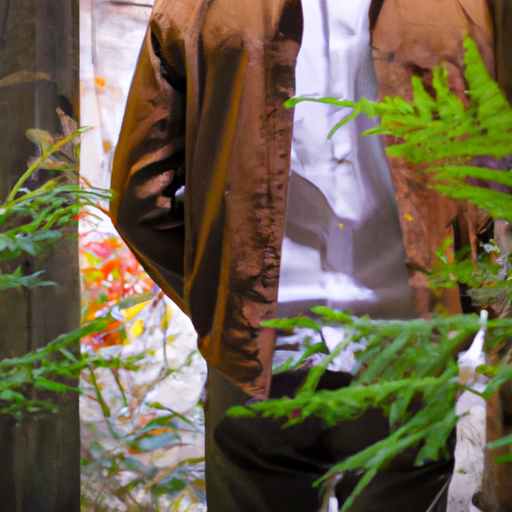
Layering clothes is a great way to stay warm and stylish during the colder months. However, many people avoid layering because they fear it will make them look bulky. The key to layering successfully is understanding the science behind it and choosing the right pieces to create a streamlined silhouette.
When it comes to layering, the first rule is to start with lightweight, fitted pieces as your base layer. This will help to create a smooth foundation for the rest of your outfit. Opt for a form-fitting tank top or long-sleeve shirt that hugs your body without being too tight. This will help to keep you warm without adding unnecessary bulk.
Once you have your base layer in place, it's time to add some warmth with a mid-layer. This could be a sweater, cardigan, or even a lightweight jacket. When choosing a mid-layer, look for pieces that are slim-fitting and made from thin, breathable fabrics. Avoid bulky knits or thick materials that will add unnecessary bulk to your outfit.
To create a streamlined look, it's important to pay attention to the length of your layers. Ideally, your mid-layer should be slightly longer than your base layer, while your outer layer should be the longest of all. This will create a visually appealing tiered effect that elongates your silhouette and prevents you from looking boxy.
When it comes to outer layers, opt for structured pieces like blazers, coats, or jackets that cinch at the waist. This will help to define your shape and prevent you from looking shapeless. Avoid oversized or bulky outerwear that will overwhelm your frame and make you appear larger than you are.
Another key to successful layering is to mix and match different textures and patterns. This will add visual interest to your outfit and prevent it from looking flat or boring. Try pairing a chunky knit sweater with a sleek leather jacket, or a printed blouse with a textured cardigan. Just be sure to keep the overall silhouette streamlined by choosing pieces that fit well and complement each other.
Accessories can also play a key role in creating a polished layered look. Scarves, belts, and statement jewelry can help to break up the layers and add a touch of personality to your outfit. Just be mindful not to overdo it – choose one or two statement pieces to avoid looking cluttered.
In conclusion, layering clothes doesn't have to result in a bulky, unflattering silhouette. By understanding the science behind layering and choosing the right pieces, you can create a stylish and streamlined look that will keep you warm and chic all winter long. Remember to start with a fitted base layer, add a slim-fitting mid-layer, and finish with a structured outer layer. Mix and match textures and patterns, pay attention to layer lengths, and don't forget to accessorize. With these tips in mind, you'll be layering like a pro in no time.
Winter Layering Essentials for Men
Winter is here, and that means it's time to break out the layers to stay warm and stylish. Layering clothes is a great way to add depth and interest to your outfit while also keeping you cozy in the chilly weather. However, many men shy away from layering because they fear looking bulky or feeling restricted in their movements. But fear not, with a few simple tips and tricks, you can master the art of layering and stay looking sharp all winter long.
The key to successful layering is to start with lightweight, breathable fabrics as your base layer. This will help wick away moisture and keep you comfortable throughout the day. Opt for a slim-fitting, long-sleeve shirt or thermal top as your first layer. This will provide a solid foundation for the rest of your outfit and help trap heat close to your body.
Next, add a mid-layer such as a sweater or cardigan. Look for pieces that are made from natural fibers like wool or cashmere, as these materials are both warm and breathable. A slim-fitting sweater will add warmth without adding bulk, and can easily be layered over your base layer for added insulation.
When it comes to outerwear, choose a jacket or coat that is both functional and stylish. A classic pea coat or a tailored wool overcoat are great options for winter layering. These pieces are versatile enough to be worn over multiple layers without looking bulky, and will keep you looking sharp no matter the occasion.
To complete your winter layering look, don't forget to accessorize with scarves, hats, and gloves. These items not only add an extra layer of warmth but also help tie your outfit together. Opt for neutral colors like black, grey, or navy to keep your look cohesive and polished.
When layering clothes, it's important to pay attention to fit and proportion. Avoid wearing pieces that are too tight or too loose, as this can create a bulky silhouette. Instead, opt for slim-fitting garments that skim your body without being too constricting. This will help create a streamlined look that is both flattering and comfortable.
Another tip for successful layering is to play with different textures and patterns. Mixing and matching different fabrics and prints can add visual interest to your outfit and elevate your winter style. Try pairing a chunky knit sweater with a plaid button-down shirt for a modern twist on a classic look.
In conclusion, mastering the art of layering is essential for staying warm and stylish during the winter months. By starting with a lightweight base layer, adding a mid-layer for warmth, and finishing with a stylish outerwear piece, you can create a polished and put-together look that will keep you looking sharp all season long. Remember to pay attention to fit and proportion, and don't be afraid to experiment with different textures and patterns. With these tips in mind, you'll be a layering pro in no time. Stay warm, stay stylish, and happy layering!
Layering Outfits for Men: A Complete Guide
Layering clothes is a great way to add depth and interest to your outfit, especially during the colder months. However, many men shy away from layering because they fear looking bulky or feeling uncomfortable. The key to mastering the art of layering is to understand the science behind it and how to do it in a way that is both stylish and functional.
When it comes to layering, the first rule of thumb is to start with the right base layer. This is the layer closest to your skin and should be made of a lightweight, breathable fabric that wicks away moisture. A good base layer will help regulate your body temperature and keep you comfortable throughout the day. Look for materials like cotton, merino wool, or synthetic blends that are designed to keep you warm without adding bulk.
Once you have your base layer sorted, it's time to add some depth to your outfit with a mid-layer. This could be a sweater, cardigan, or light jacket that adds warmth and style to your look. When choosing a mid-layer, opt for something that is slim-fitting and not too bulky. This will help maintain a streamlined silhouette and prevent you from looking like the Michelin Man.
When it comes to outerwear, the key is to choose a jacket or coat that complements the rest of your outfit. A well-fitted coat can add the finishing touch to your layered look and tie everything together. Look for outerwear that is versatile and can be easily layered over different outfits. A classic trench coat or a stylish bomber jacket are great options that can be dressed up or down depending on the occasion.
One of the biggest mistakes men make when layering clothes is adding too many bulky pieces at once. This can make you look shapeless and overwhelmed by fabric. Instead, focus on layering thin, lightweight pieces that can be easily removed if you get too warm. This will give you more flexibility and allow you to adjust your outfit throughout the day.
Another important aspect of layering is to pay attention to proportions. If you are wearing a bulky sweater, balance it out with slim-fitting pants or jeans. This will create a more polished look and prevent you from looking top-heavy. Experiment with different combinations of layers to find what works best for your body type and personal style.
When it comes to color and pattern, don't be afraid to mix and match. Layering is a great opportunity to play with different textures and prints to create a unique and eye-catching outfit. Just make sure to keep the overall look cohesive by sticking to a color palette that complements each other.
In conclusion, mastering the art of layering is all about understanding the science behind it and finding the right balance between style and function. By choosing the right fabrics, proportions, and colors, you can create a layered outfit that is both stylish and comfortable. So don't be afraid to experiment and have fun with your layers – you might just discover a whole new way to elevate your style game.
The Science Behind Layering: Stay Warm and Stylish
Layering clothes is not just about staying warm during the colder months; it's also a great way to add depth and dimension to your outfit. However, many people shy away from layering because they fear looking bulky or frumpy. But fear not! With a little know-how and some strategic layering techniques, you can stay warm and stylish all winter long.
The key to successful layering is to start with lightweight, breathable fabrics as your base layer. This will help regulate your body temperature and prevent you from overheating. Opt for materials like cotton, silk, or merino wool, which are soft against the skin and won't add unnecessary bulk.
Once you have your base layer sorted, it's time to add some warmth with a mid-layer. This could be a sweater, cardigan, or even a lightweight jacket. Look for pieces that are slim-fitting and can easily be layered over your base layer without adding too much bulk. Avoid chunky knits or oversized jackets, as these can make you look larger than you actually are.
When it comes to outerwear, choose a coat or jacket that is tailored and structured. This will help define your silhouette and prevent you from looking shapeless. A belted coat or a fitted blazer can help cinch in your waist and create a more flattering shape. Avoid bulky puffer jackets or oversized coats, as these can overwhelm your frame and make you look larger than you actually are.
To add some interest to your outfit, consider mixing textures and patterns. Pair a chunky knit sweater with a silky blouse, or layer a plaid shirt under a solid-colored sweater. Mixing different fabrics and prints can add visual interest to your outfit and prevent it from looking too monotonous.
When it comes to accessories, less is more when layering clothes. Opt for simple jewelry and a sleek handbag to keep your look polished and put-together. Avoid bulky scarves or oversized hats, as these can add unnecessary bulk to your outfit.
Remember, the key to successful layering is to keep it simple and streamlined. Stick to a neutral color palette and avoid adding too many layers at once. A well-thought-out outfit with a few carefully chosen layers will always look more stylish than a haphazardly thrown-together ensemble.
So, the next time you're getting dressed for a chilly day, don't be afraid to experiment with layering. With the right fabrics, silhouettes, and accessories, you can stay warm and stylish without looking bulky. Embrace the science of layering and watch as your winter wardrobe transforms from drab to fab.
Conclusion
Layering clothes is a great way to stay warm and stylish during the colder months. By following some simple tips and tricks, you can achieve a layered look without adding bulk to your outfit. Remember to choose lightweight and breathable fabrics, mix and match different textures, and pay attention to proportions. With a little practice and experimentation, you can master the art of layering and create stylish and functional outfits for any occasion.